Homo homini lupus
 By Carlitos
Power does not issue a stop signal. Hunger ends when you eat. Thirst disappears when you drink. Power offers no biological boundary line. It expands because every layer of security demands another layer of protection.
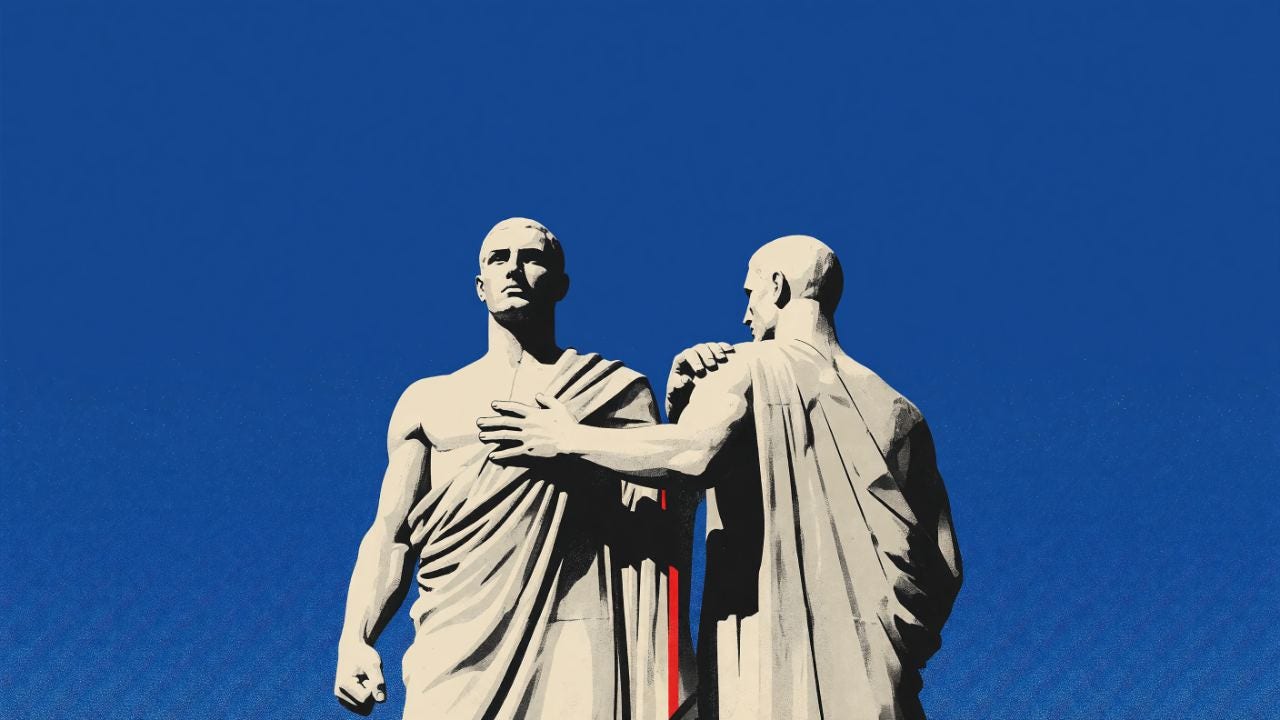
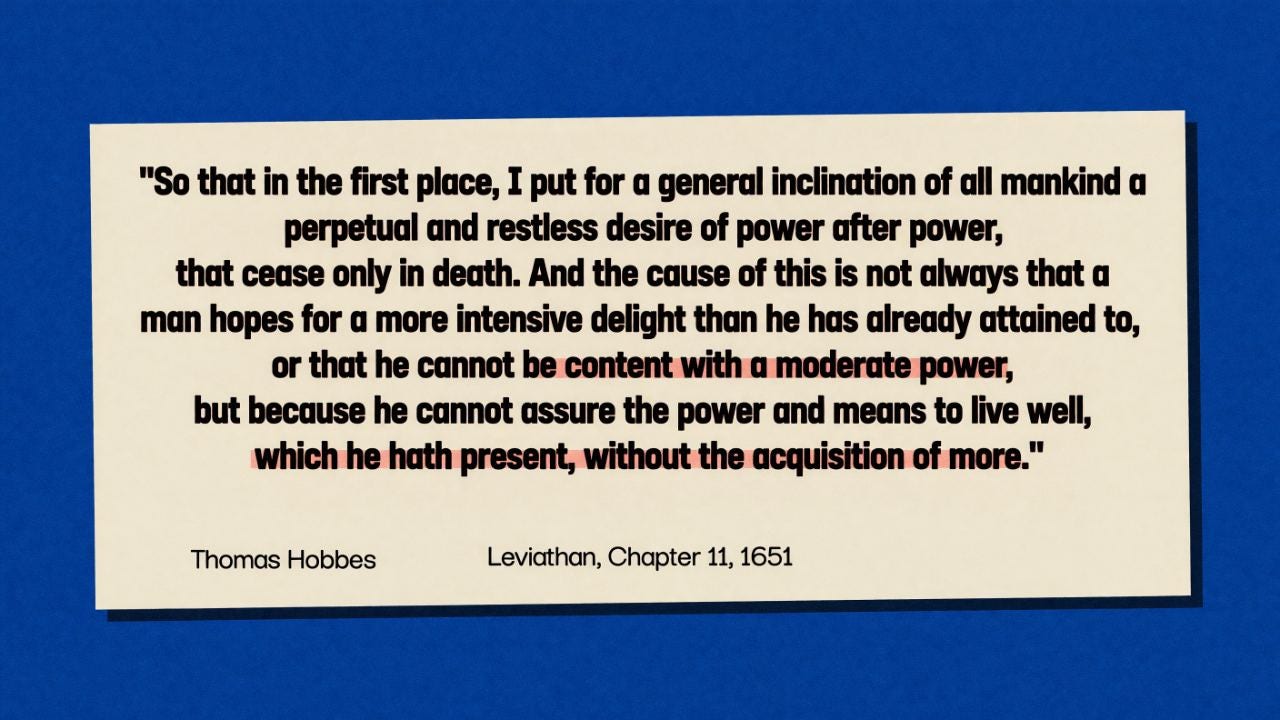
Thomas Hobbes mapped this exact psychological trap in Leviathan. He observed that mankind shares a perpetual and restless desire of power after power that ceases only in death. The driver is not pure malice or an endless appetite for luxury.
You need more simply to safeguard what you already possess.
Once you have something to defend, you develop fear.
Fear has no finishing point because every additional wall you build creates a new vulnerability that requires guarding.
History is littered with those who failed to let go. Robert Mugabe ruled Zimbabwe for thirty seven years, clinging to the syntax of authority long after the structure collapsed around him. Equatorial Guinea and Cameroon present modern iterations of the same psychological atrophy.
The mind adjusts to the ease of command. People wait for you. Schedules bend around your whims. Resistance softens. After years of breathing that air, perspective degrades.
Francis Bacon noted that men in high office become strangers to themselves. Others spend hours studying the powerful person while the powerful person spends decreasing time studying themselves. Control starts justifying itself. If subordinates comply, you begin to assume they require your movement. Tacitus observed that the minds of absolute rulers bear deep gashes and wounds, lacerated by the habits required to keep dominion.
This human software manifests clearly in modern environments, specifically in the psychology of trading.
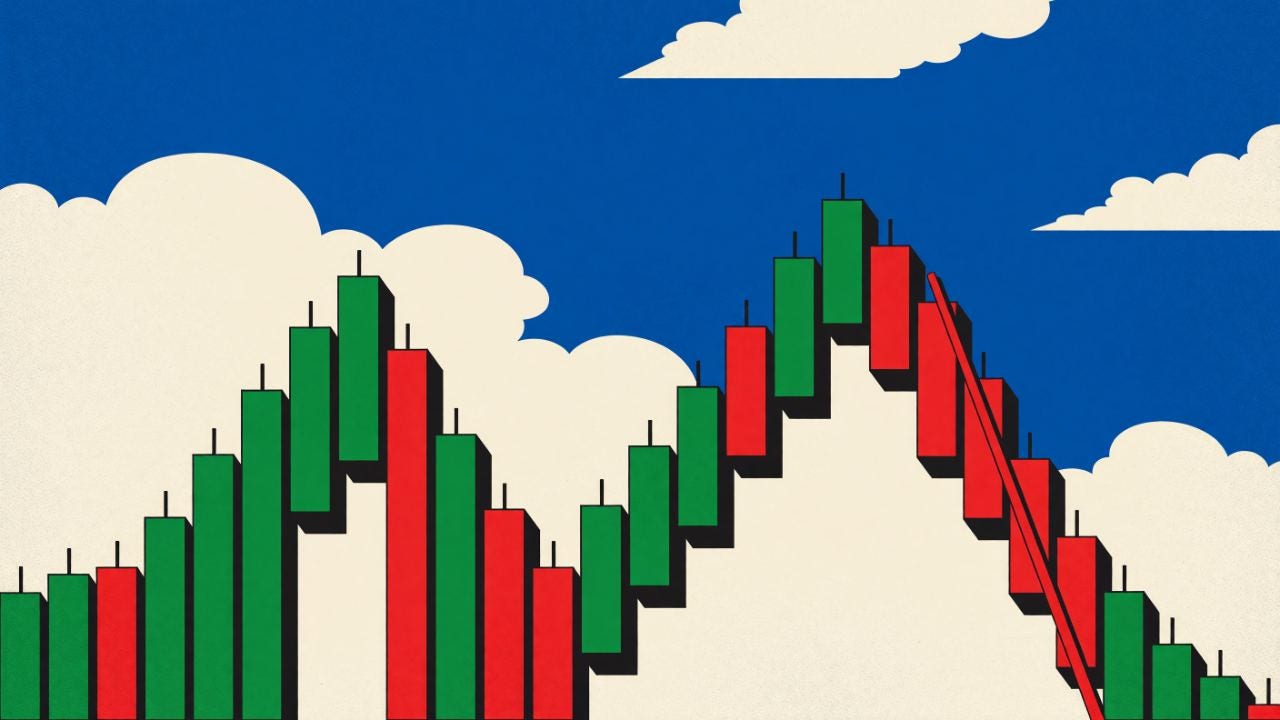
Trading functions as an unfiltered mirror of our inability to let go. The psychology driving a dictator to cling past his expiration date mirrors the retail trader holding a winning position straight into a roundtrip loss.
Greed masquerades as conviction. When a trade runs up, the market adjusts to your bias. Confirmation cascades in from chats and charts. You begin to feel untouchable. You forget the brutal friction of the early days when every decision carried heavy consequence. You confuse a favorable market with your own genius.
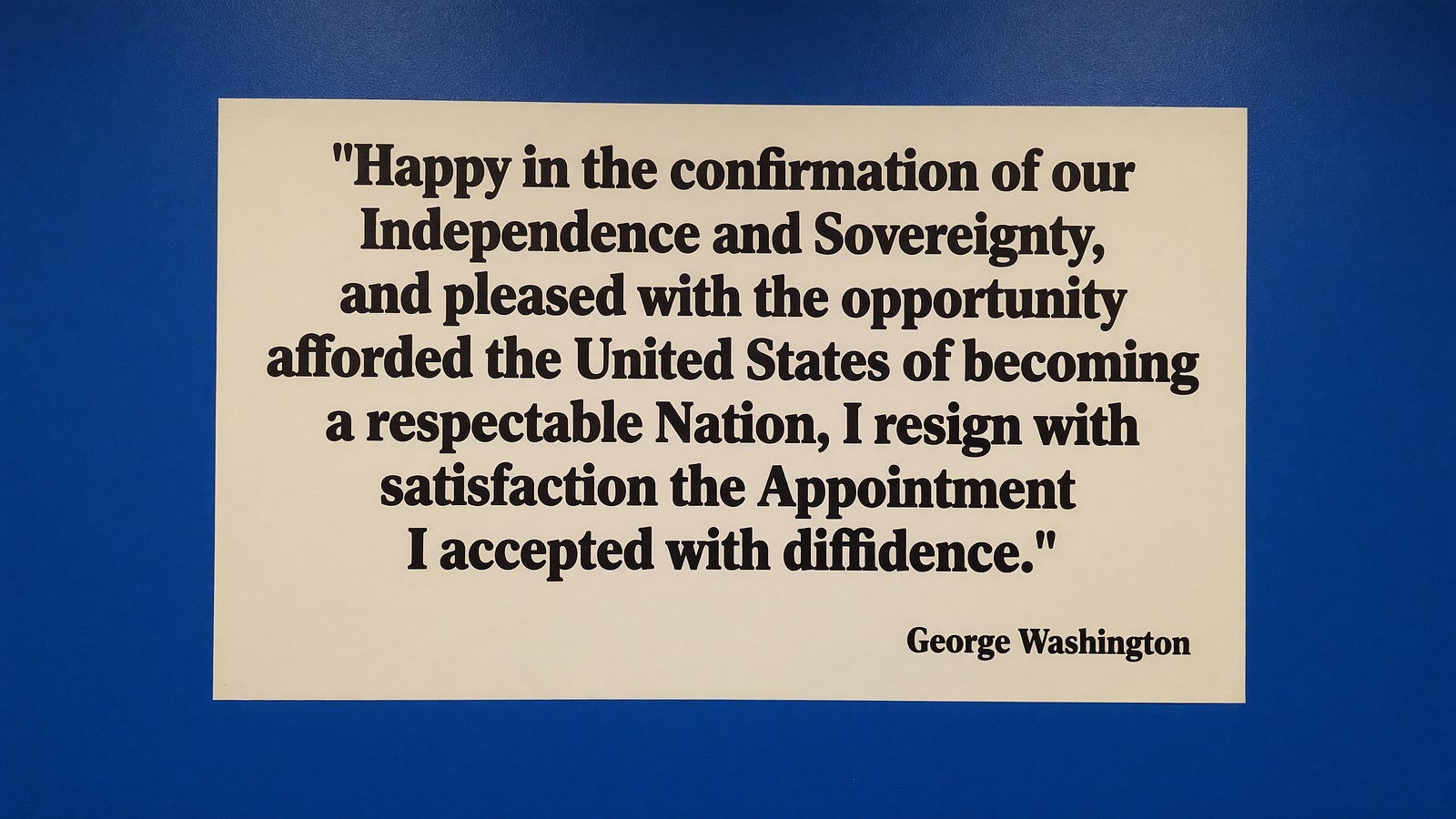
The exit requires the exact psychology of Cincinnatus walking back to his plow or George Washington handing his commission back to Congress at Annapolis in December 1783. Washington commanded an army, rejected the crown offered by Colonel Lewis Nicola, and chose to become a private citizen. He retained the mental boundary between his ego and his authority.
Traders fail here because they treat a position like an identity. Taking profits consistently on the way up forces you to accept a painful psychological reality. You are intentionally leaving money on the table. Methodically trimming exposure means accepting that the asset might double after you sell your last tranche.
Amateur psychology demands perfection. Professional psychology demands survival.
Hobbes understood that fear dictates our grip on power. In trading, fear of missing out blends seamlessly with the fear of being wrong, locking capital into stagnant positions. You hold on too long because letting go requires admitting that the run has a ceiling. Or, that you were wrong to begin with.
True discipline is the art of strategic abandonment. Montesquieu argued that power must be checked externally because human judgment fails internally. In markets, your rules serve as that external check against your own cognitive bias. You take profits systematically not because you know the exact top, but because you refuse to let the market become your jailer.
Letting go is an acquired skill.
Whether running a nation or managing risk in a portfolio, the hardest part is knowing when the work is finished and walking away while you still can.